


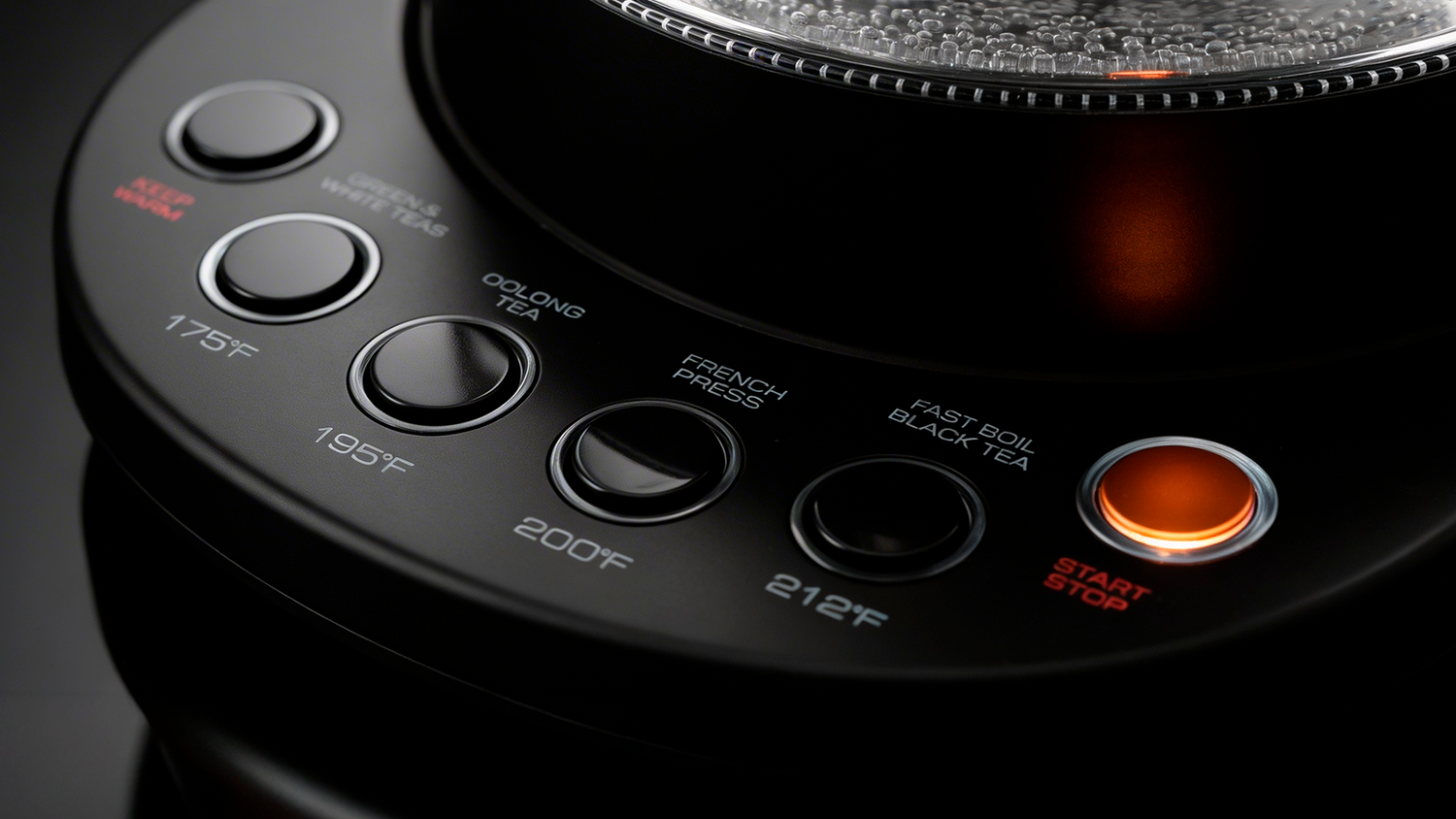
Most people boil water, pour it, and hope for the best. And most people end up with tea that's either bitter, flat, or just fine — never quite what it could be.
Temperature is the part of brewing that looks invisible but changes everything.
Quick Answer: The right water temperature for tea depends on the type. Black tea brews best at 200–212°F (93–100°C) — near boiling. Green tea needs 160–180°F (71–82°C) to avoid bitterness. Oolong sits around 185–205°F (85–96°C). White tea and herbal teas each have their own range. Using the wrong temperature doesn't just affect flavor — it can destroy the compounds that make a tea worth drinking in the first place.
What Happens When You Brew Tea at the Wrong Temperature
Heat is the mechanism that extracts flavor from tea leaves. But extraction isn't a switch — it's a spectrum.
Too hot: You over-extract. The tannins release fast and in quantity, producing bitterness and astringency. This is why green tea brewed with boiling water tastes harsh — it's not the tea, it's the temperature.
Too cool: You under-extract. The water doesn't pull enough from the leaves, and the cup ends up thin, pale, and lacking depth.
Every type of tea has a sweet spot. Hit it, and the same leaves you've always used will taste noticeably different.
Water Temperature Guide by Tea Type
Black Tea — 200–212°F (93–100°C)
Black tea is fully oxidized, which makes it the most robust and heat-tolerant. Near-boiling water is exactly what it needs to open up. Brewing at lower temperatures leaves the cup flat.
Green Tea — 160–180°F (71–82°C)
Green tea is the most temperature-sensitive. It's unoxidized, delicate, and rich in catechins that turn bitter under high heat. The 160–180°F range extracts the clean, vegetal, sometimes sweet character that makes a good green tea worth drinking. Boiling water is the single most common reason people think they don't like green tea.
Oolong Tea — 185–205°F (85–96°C)
Oolong is partially oxidized, sitting between green and black in heat tolerance. A lightly oxidized oolong needs lower temperatures; a heavily roasted oolong can handle near-boiling. Start at 190°F and adjust from there.
White Tea — 160–185°F (71–85°C)
White tea is minimally processed and extremely delicate. High heat destroys the subtle floral notes that define it. Treat it similarly to green tea.
Herbal Tea — 200–212°F (93–100°C)
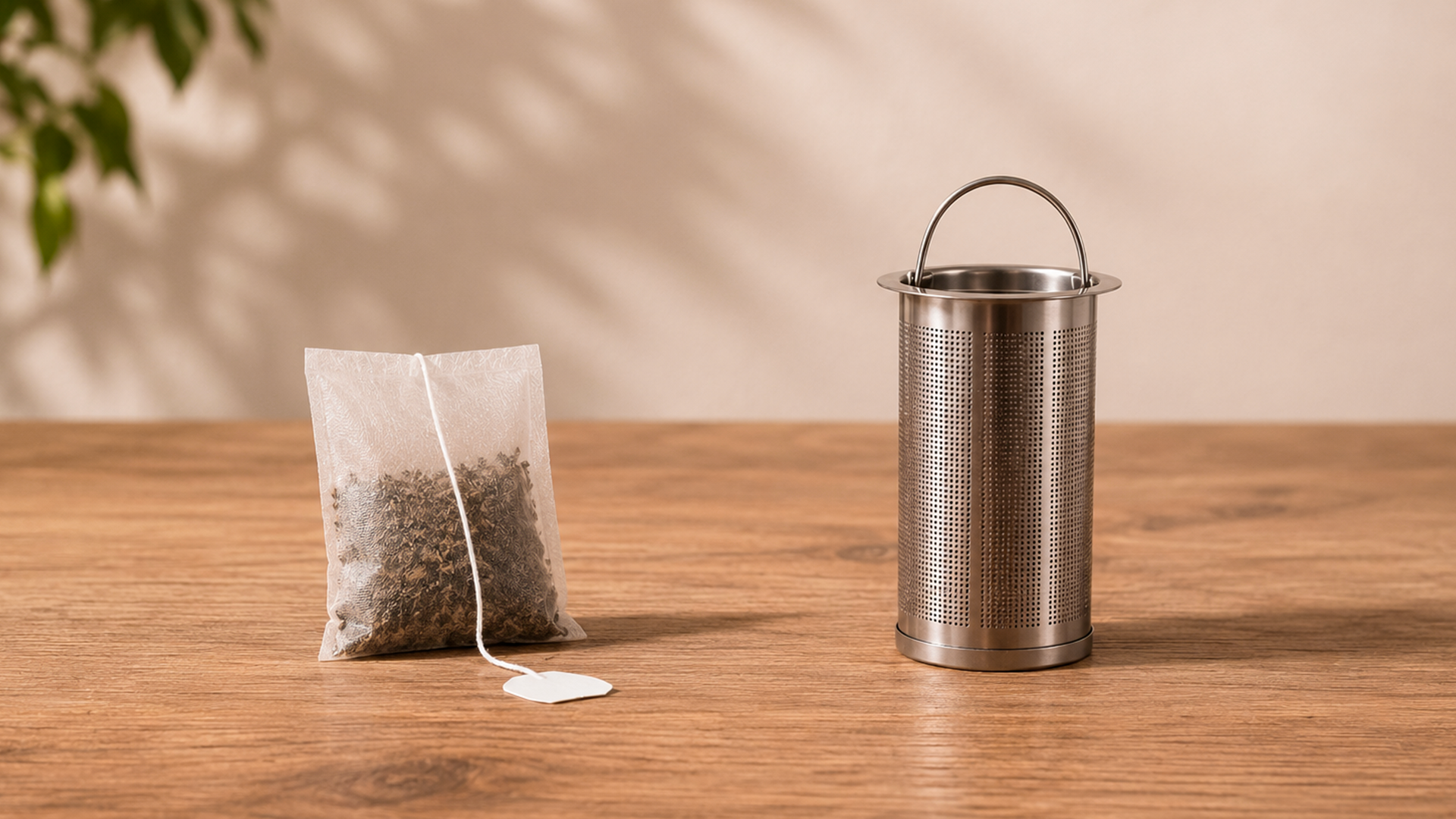
Herbal teas are made from dried flowers, roots, bark, and fruit — dense, fibrous materials that need full or near-boiling water to extract properly.
Chai and Spiced Blends — 200–212°F (93–100°C)
Spiced blends need high-temperature water to release the character of cinnamon, cardamom, and clove. Anything under 190°F and the spice notes stay muted.
Does It Matter If You Don't Have a Temperature-Controlled Kettle?
Yes — because boiling and brewing aren't the same thing.
A standard kettle brings water to 212°F. That works for black tea and herbal blends. For green or white tea, you need to let water cool after boiling — which takes time and guessing.
A kettle with variable temperature control removes the guesswork. You set the temperature, the kettle stops there, and you pour when it's ready.
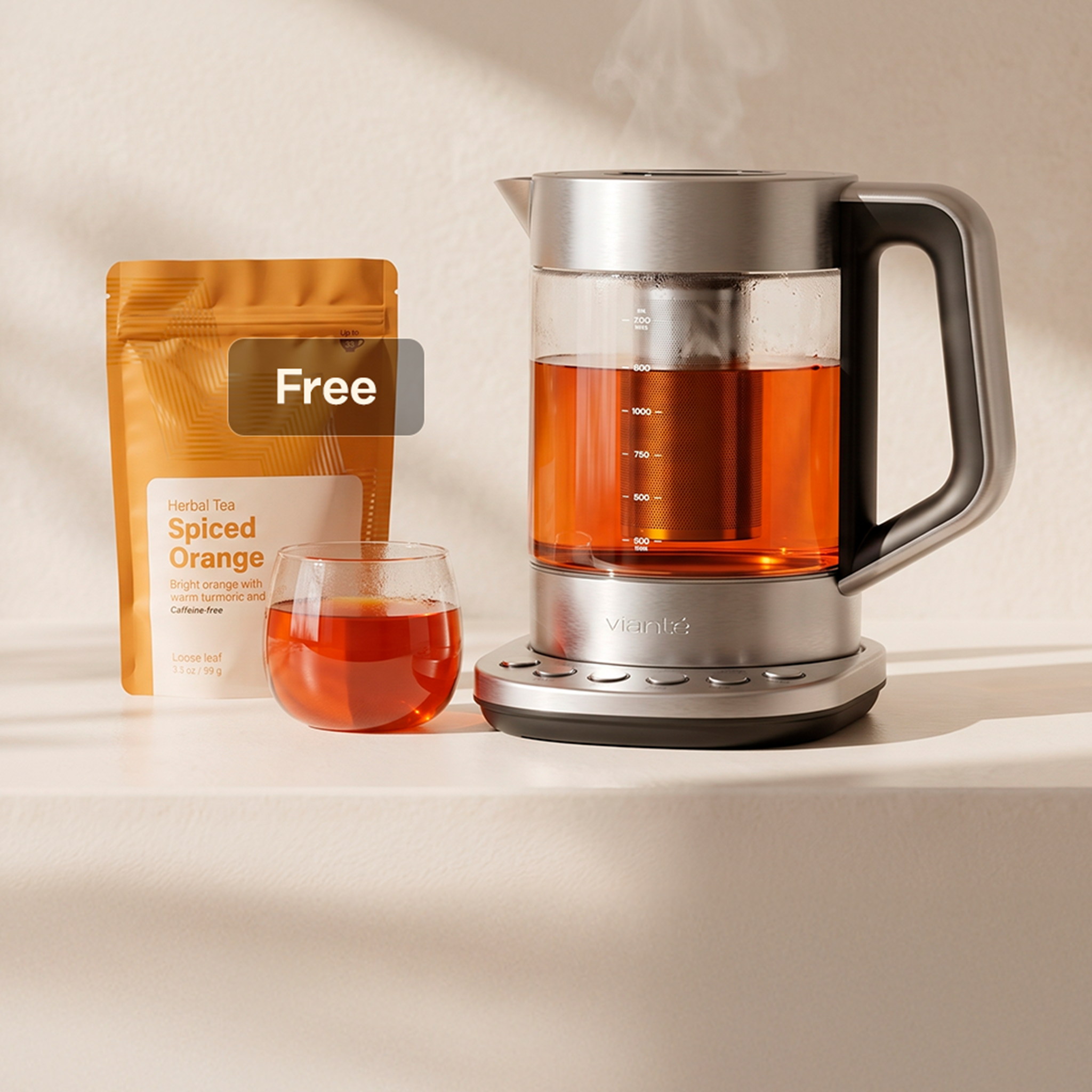
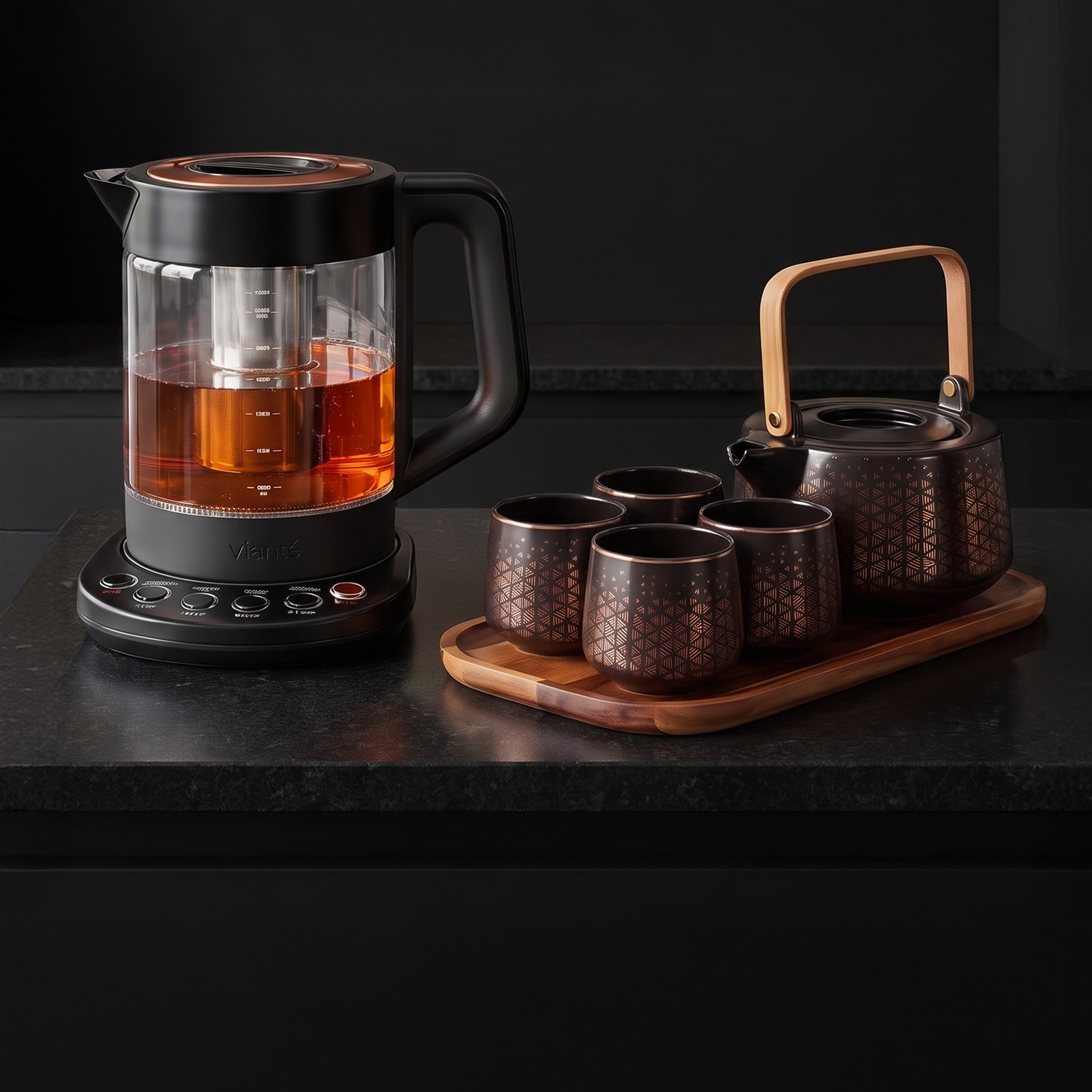
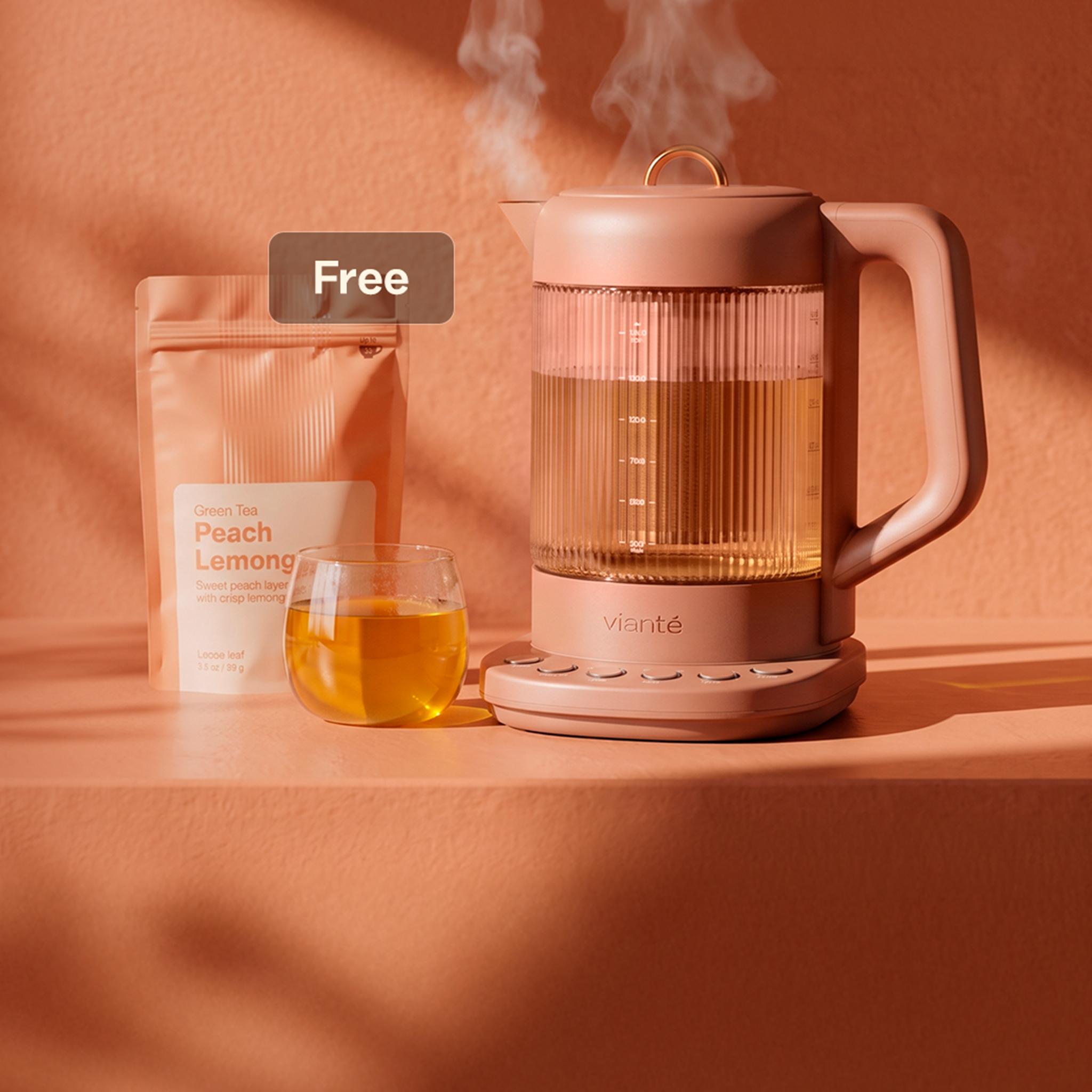
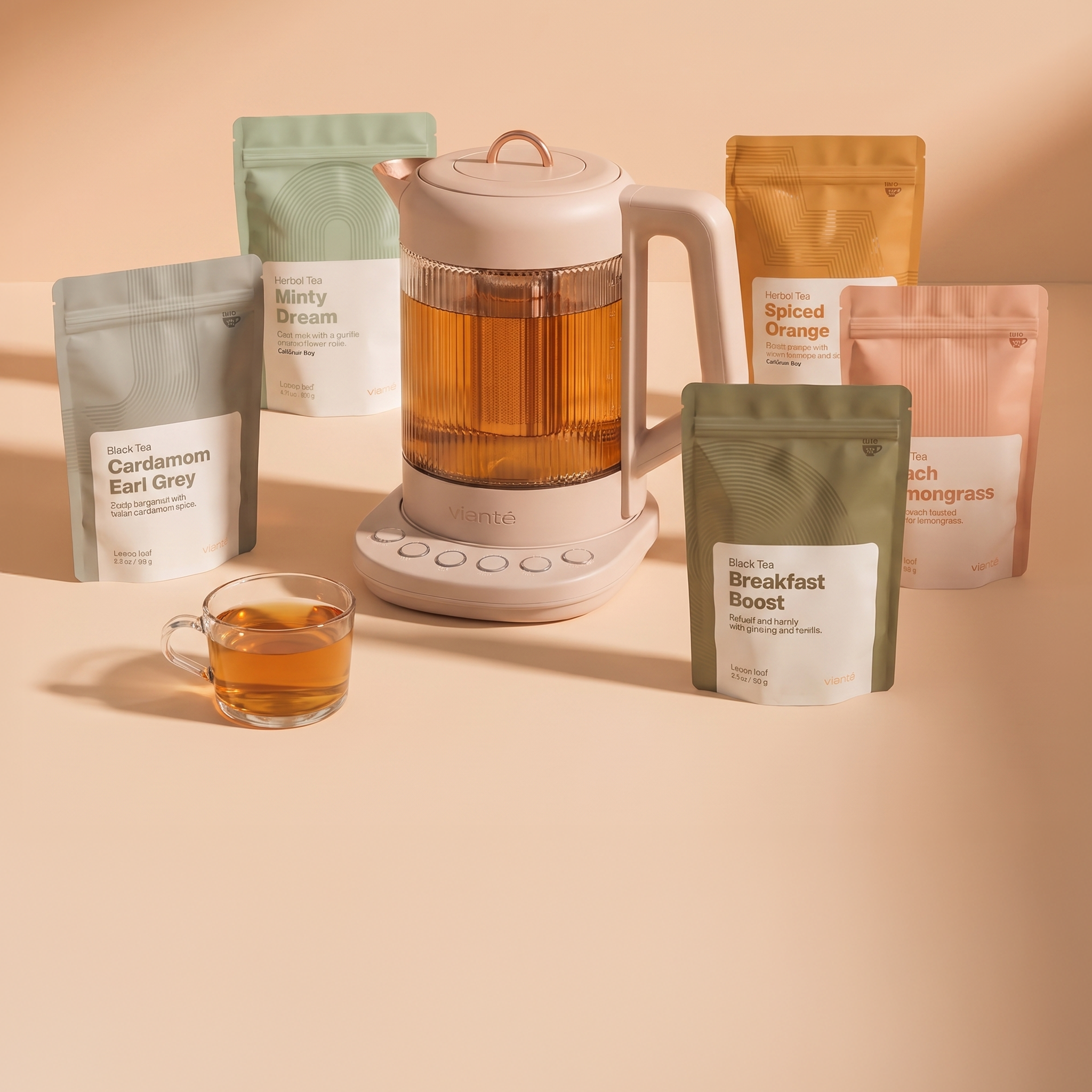
Vianté kettles (https://www.viante.com/collections/digital-kettles) are built specifically for this — precise temperature settings for every tea type, with zero plastic-to-water contact so the water arrives at your cup clean.
Does Water Temperature Affect Caffeine Extraction?
Yes. Higher temperatures extract caffeine more efficiently. A cup of green tea brewed at 212°F will have more caffeine than the same tea brewed at 160°F, in addition to being more bitter. If you're managing caffeine intake in the evening, lower-temperature brewing for green and white teas gives you an additional reason to stay in the correct range.
People Also Ask
Does boiling water ruin green tea?
Yes — consistently. Boiling water over-extracts green tea almost immediately, releasing tannins that produce bitterness and astringency. Green tea needs water in the 160–180°F range. If you've tried green tea and found it bitter, temperature is almost certainly the reason.
Can you brew tea with cold water?
Yes — cold brew tea. It takes 4–12 hours in the refrigerator and produces a smoother, lower-caffeine cup. It works best with green, white, and certain oolong teas.
What happens if you use water that's too cold for black tea?
The tea under-extracts. You get a weak, pale cup without the body and depth that makes black tea satisfying.
Does altitude affect tea brewing temperature?
Yes. Water boils at lower temperatures at higher altitudes — at 5,000 feet, around 202°F instead of 212°F. A minor adjustment for most teas, but it can affect black tea and herbal blends.
What temperature is Vianté's kettle set to by default?
Vianté kettles (https://www.viante.com/collections/digital-kettles) offer variable temperature settings designed to cover the full range — from delicate greens to full-boil black and herbal blends.

Leave a comment
This site is protected by hCaptcha and the hCaptcha Privacy Policy and Terms of Service apply.