

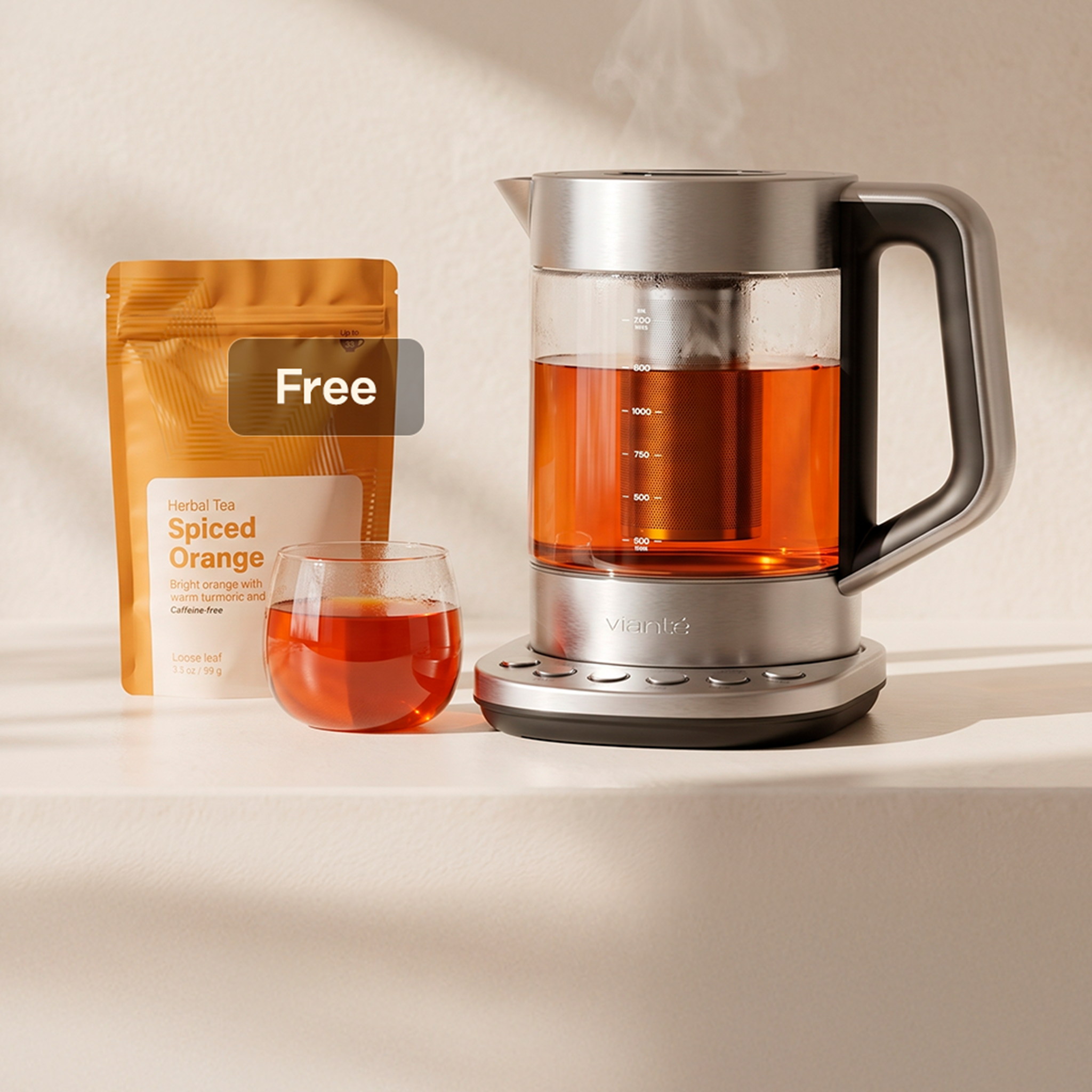
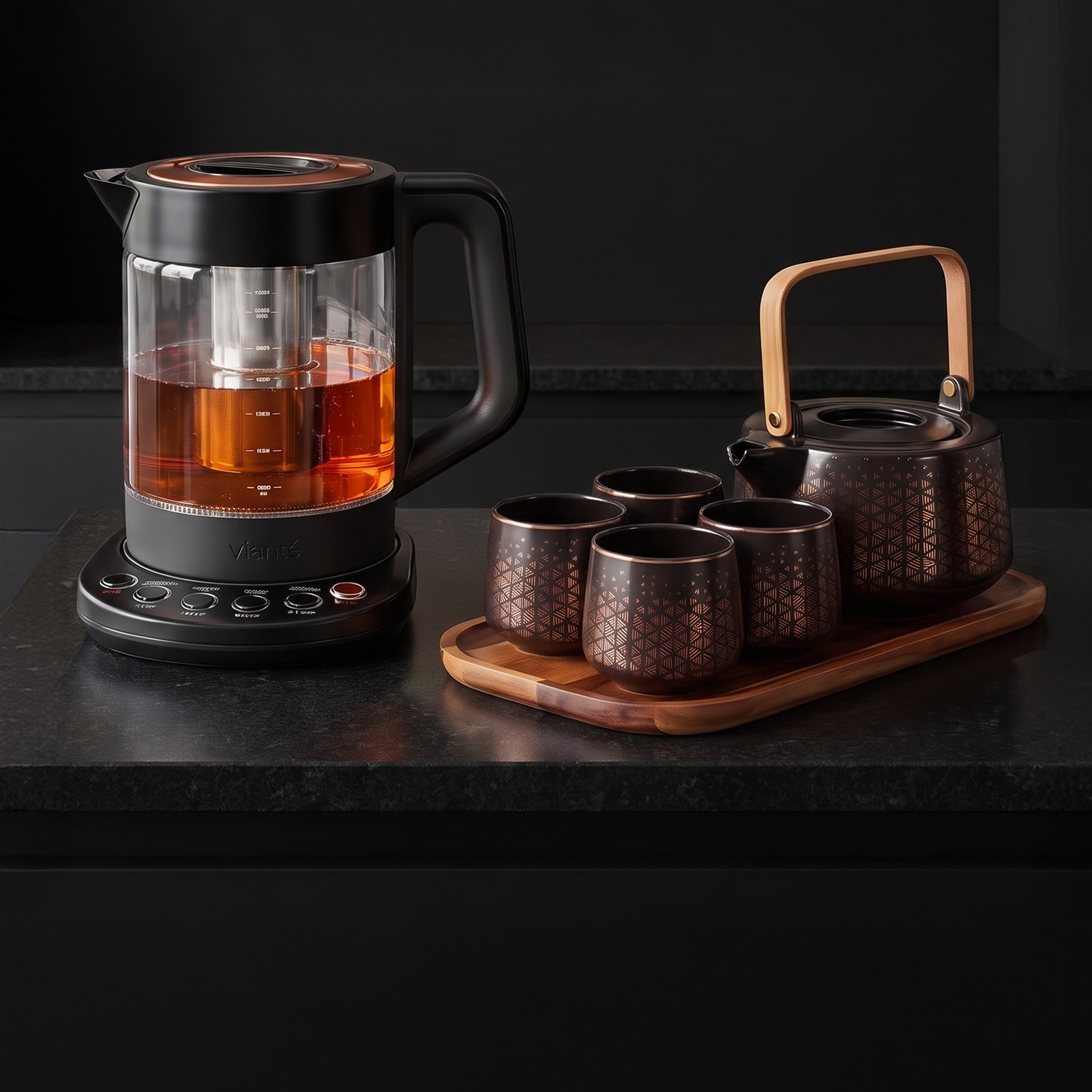
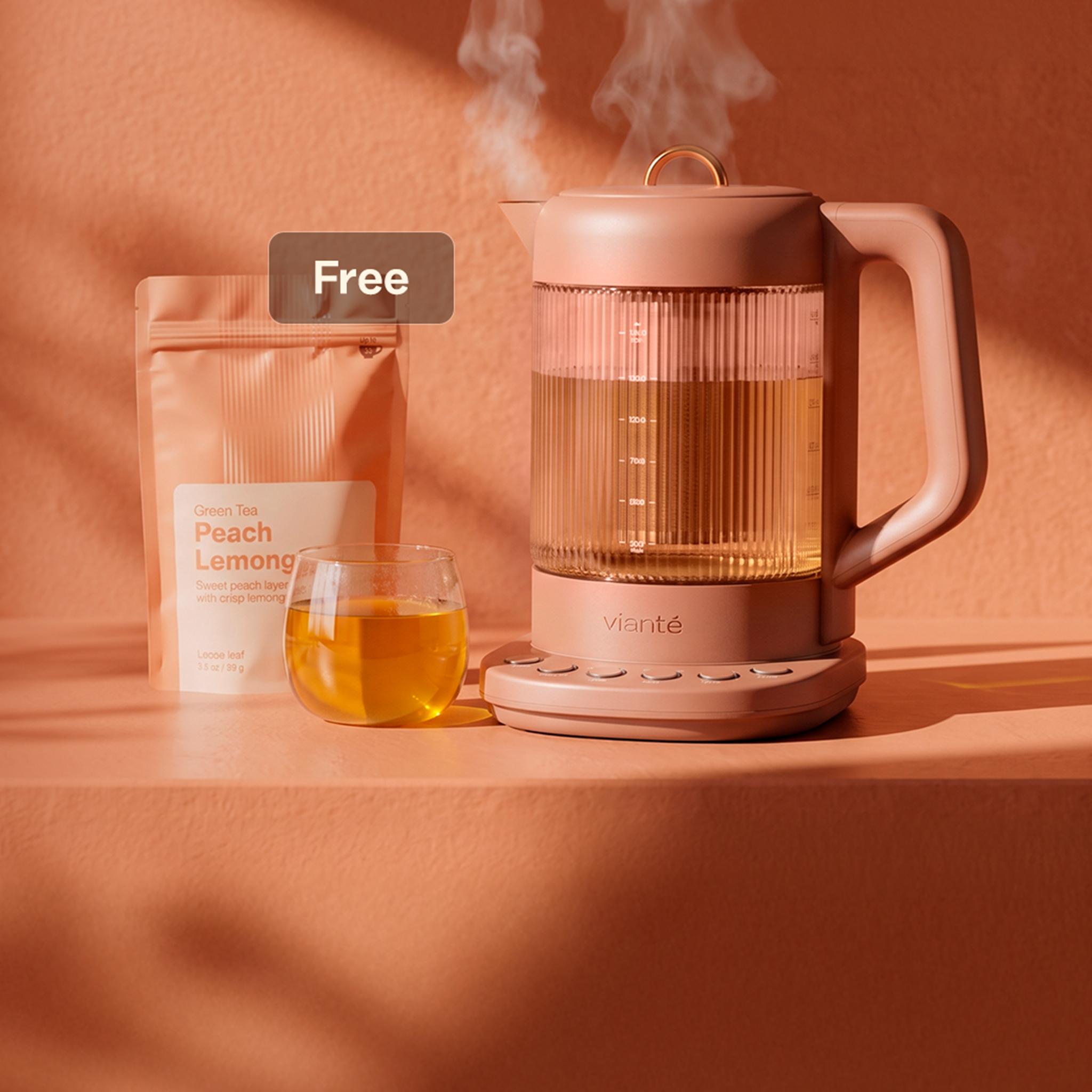

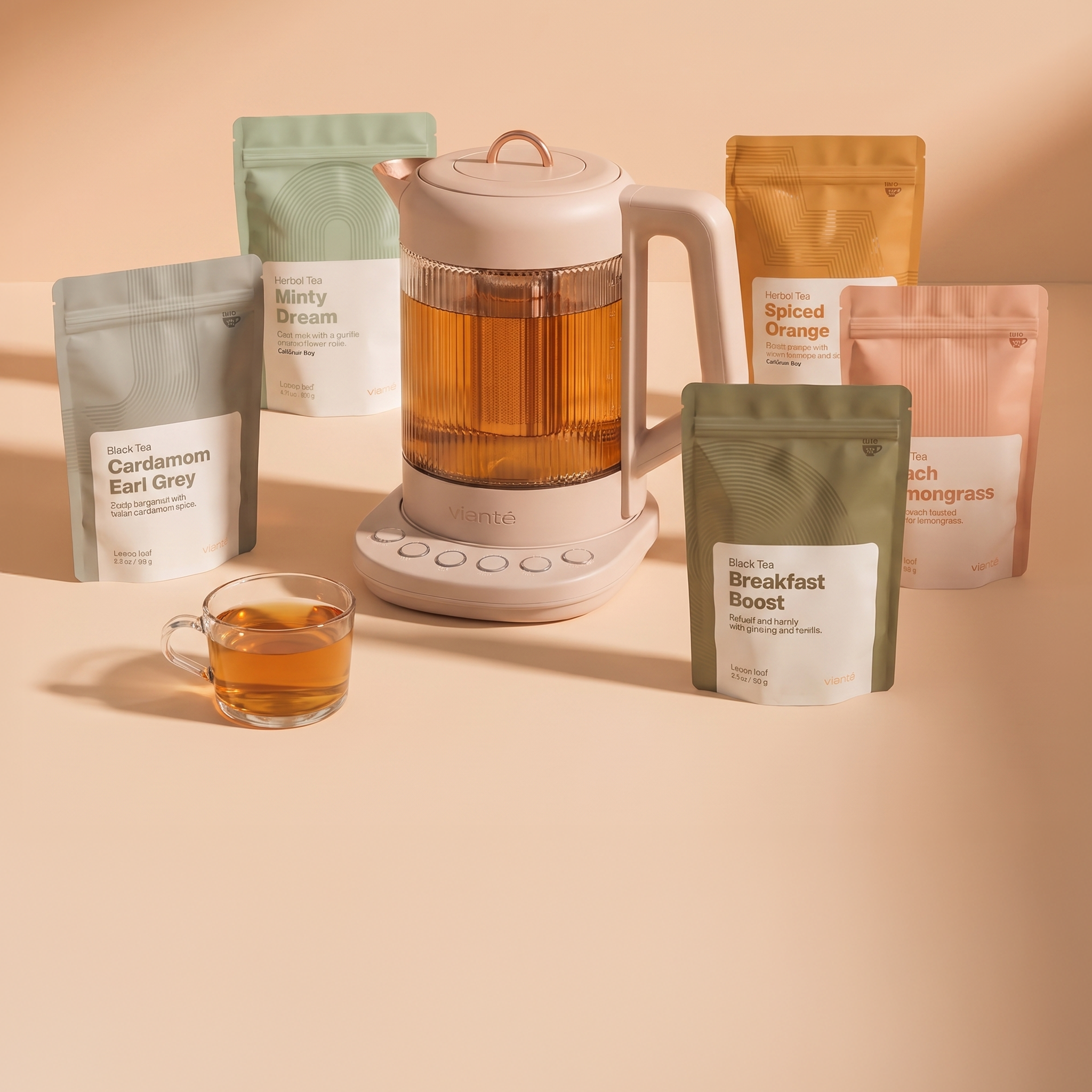
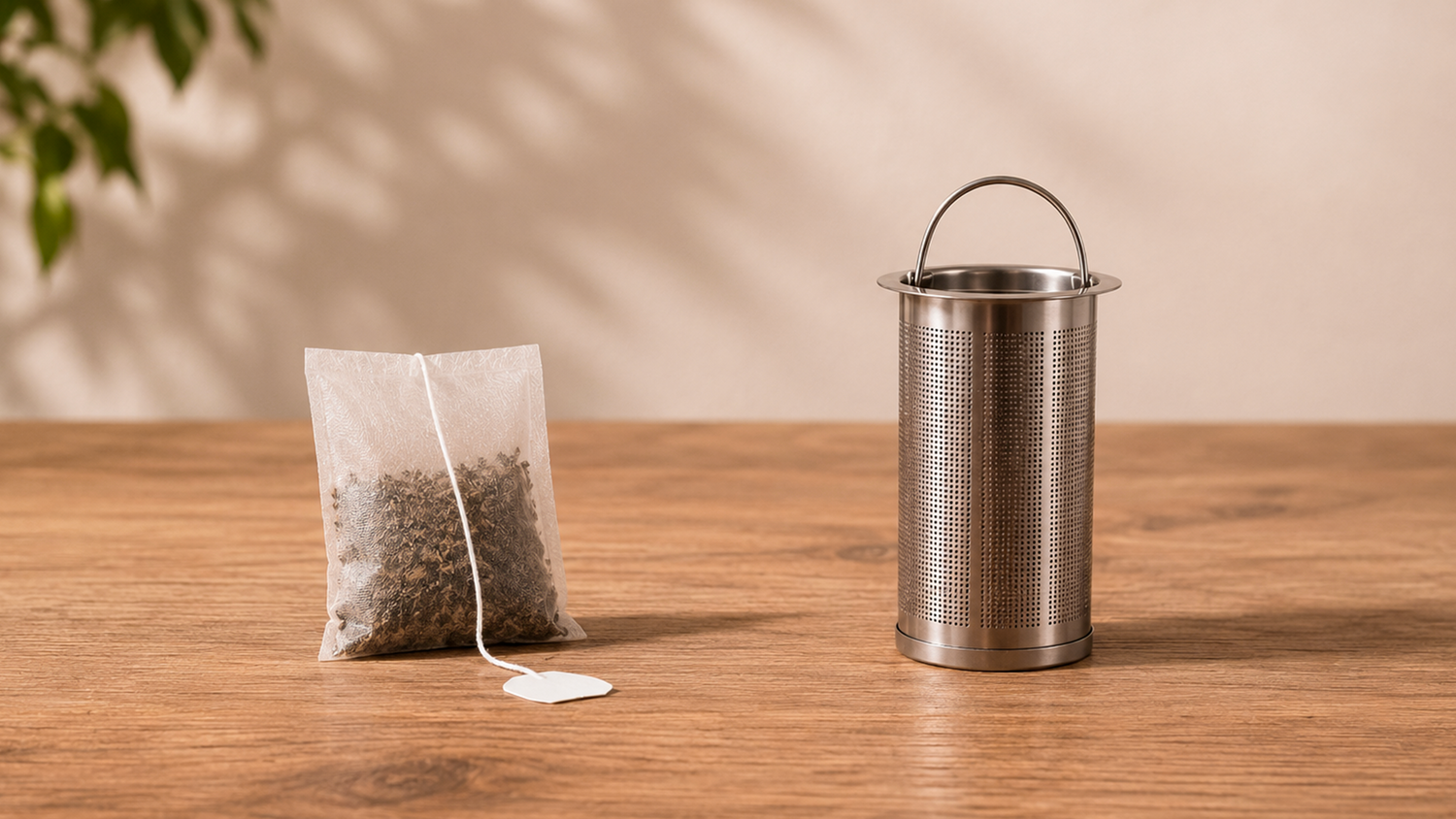
A dedicated tea strainer is the standard tool for loose leaf brewing — but it's not the only one. If you don't have one, or you're traveling, or you just want to know your options, there are several methods that work well without any specialized equipment.
Quick Answer: You can brew loose leaf tea without a strainer using a French press, a fine-mesh kitchen sieve, a paper coffee filter, a reusable cotton or muslin bag, or by letting the leaves settle at the bottom of the cup and pouring carefully. Each method works — the best choice depends on what you already have. The key in all cases is keeping plastic out of the hot water.
Method 1: French Press
If you have a French press for coffee, you already have one of the best loose leaf brewing tools available.
Add your loose leaf tea to the empty French press — use the same ratio as any other method, roughly 1 teaspoon per 8 oz. Pour hot water at the correct temperature for your tea type, place the lid on with the plunger up, and steep for the appropriate time. Then press slowly and pour.
The metal mesh plunger filters the leaves just as effectively as a tea strainer. No plastic involved. The French press also retains heat well, which keeps the temperature consistent during steeping. Rinse thoroughly between tea and coffee use to avoid flavor carryover.
Method 2: Fine-Mesh Kitchen Sieve
A standard fine-mesh kitchen strainer — the kind used for draining pasta or sifting flour — works as a pour-through tea strainer. Brew the tea directly in a cup or small pitcher, then pour it through the sieve into a second cup.
This is the most accessible method because most kitchens already have one. The mesh size on a good fine-mesh sieve is small enough to catch most loose leaf tea, though very fine particles may pass through. For whole or large-cut leaf teas like those in Vianté's collection (https://www.viante.com/collections/tea-blends), the mesh works well.
Method 3: Paper Coffee Filter
A paper coffee filter — cone or flat-bottom — can be used to filter loose leaf tea. Place the filter in a pour-over dripper or simply hold it over a cup, add the loose leaf, and pour hot water through slowly.
This method produces a very clean, clear cup because the paper catches essentially everything. The tradeoff is that paper can absorb some of the aromatic oils in the tea, slightly flattening the character compared to metal or glass. It works, but a metal mesh method is better for delicate teas where aroma matters most.
Use unbleached paper filters if possible.
Method 4: Reusable Cotton or Muslin Bag
Reusable loose leaf bags made from cotton or muslin are the closest alternative to a dedicated infuser. Fill the bag with tea, tie it closed, and steep it in your cup. Remove when done.
These are inexpensive, washable, and produce no plastic contact with the water — which is the most important factor. They're worth keeping on hand as a travel option or backup.
Avoid synthetic fabric bags — nylon or polyester mesh bags bring the same microplastic issue as conventional tea bags when exposed to hot water.
Method 5: Let the Leaves Settle
The oldest method: add loose leaf tea directly to your cup, pour hot water, steep, and then drink slowly — stopping before you reach the leaves at the bottom.
This works surprisingly well with whole-leaf teas that are heavy enough to sink. It requires patience and doesn't work well with very fine cuts or teas that float. But for a morning cup when nothing else is available, it's a valid option.
What to Avoid
Plastic tea infusers, plastic mesh bags, or any improvised strainer with plastic components. When hot water contacts plastic — even food-grade plastic — it can leach compounds into the water. The point of loose leaf brewing is removing plastic from the equation entirely.
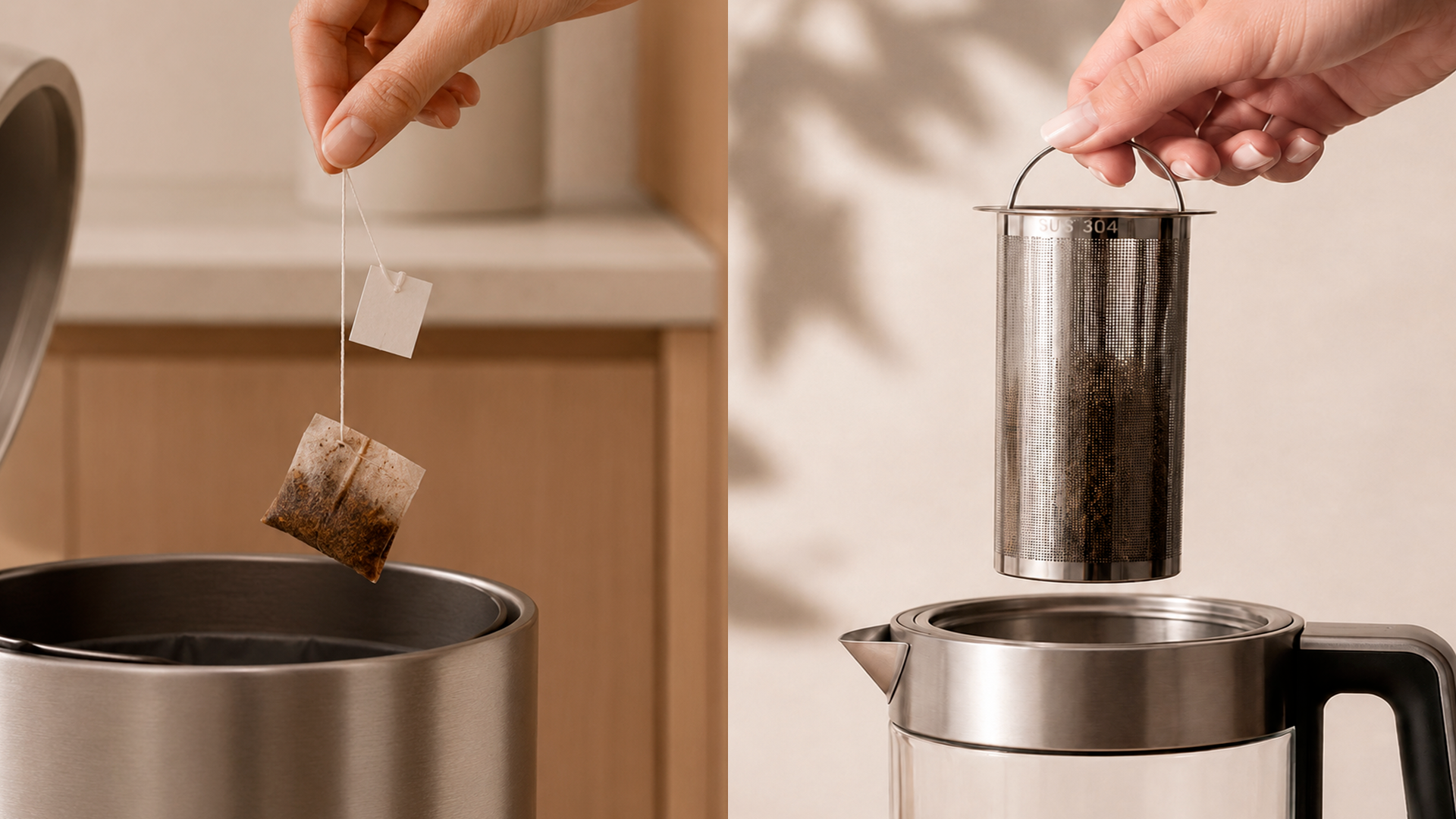
Vianté kettles (https://www.viante.com/collections/digital-kettles) ensure that the water itself arrives clean — no plastic contact from fill to pour. A plastic-free infuser or one of the methods above completes the plastic-free water journey.
People Also Ask
Can you brew loose leaf tea directly in a cup?
Yes — add the leaves, pour hot water, steep, and drink carefully, stopping before you reach the settled leaves at the bottom. It works best with heavier, whole-leaf teas that sink.
Is a French press good for loose leaf tea?
Yes, and many tea enthusiasts prefer it. The metal mesh plunger filters effectively, the carafe retains heat well, and there's no plastic involved. Rinse well between uses to avoid flavor carryover from coffee.
Can you use a coffee filter for loose leaf tea?
Yes. A paper coffee filter placed in a pour-over dripper or held over a cup will catch the leaves cleanly. Unbleached filters are preferred. The paper may absorb some aroma, but it produces a clean cup.
What's the best loose leaf tea infuser to get?
A stainless steel mesh basket infuser sized to your cup or teapot is the standard recommendation — inexpensive, easy to clean, no plastic, and effective for all tea types. Avoid plastic or synthetic mesh infusers.
Does Vianté sell a kettle that works with loose leaf tea?
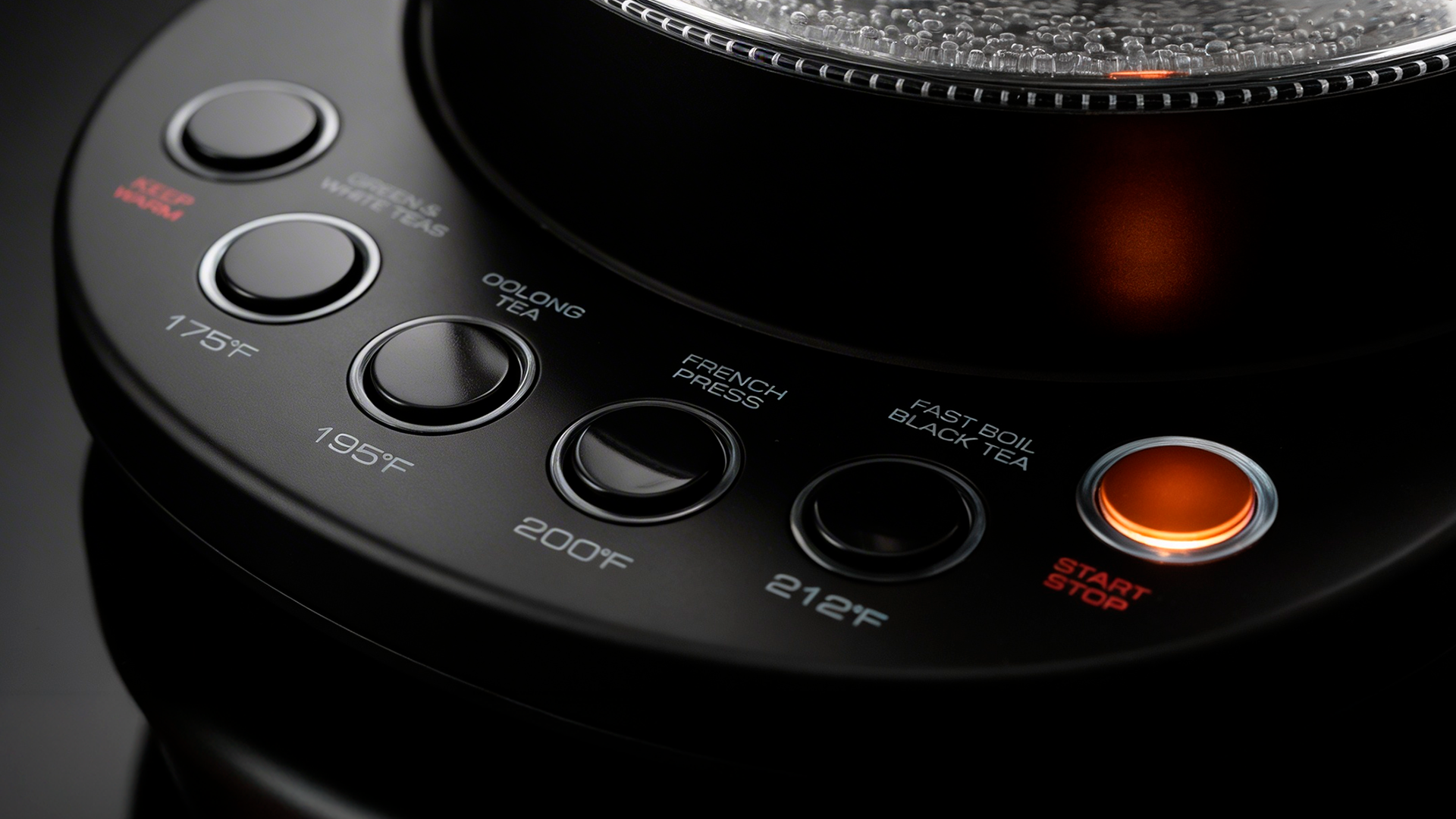
Yes. Vianté kettles (https://www.viante.com/collections/digital-kettles) are built with zero plastic-to-water contact and variable temperature control — designed specifically for the range of temperatures that different loose leaf teas require.

Leave a comment
This site is protected by hCaptcha and the hCaptcha Privacy Policy and Terms of Service apply.