


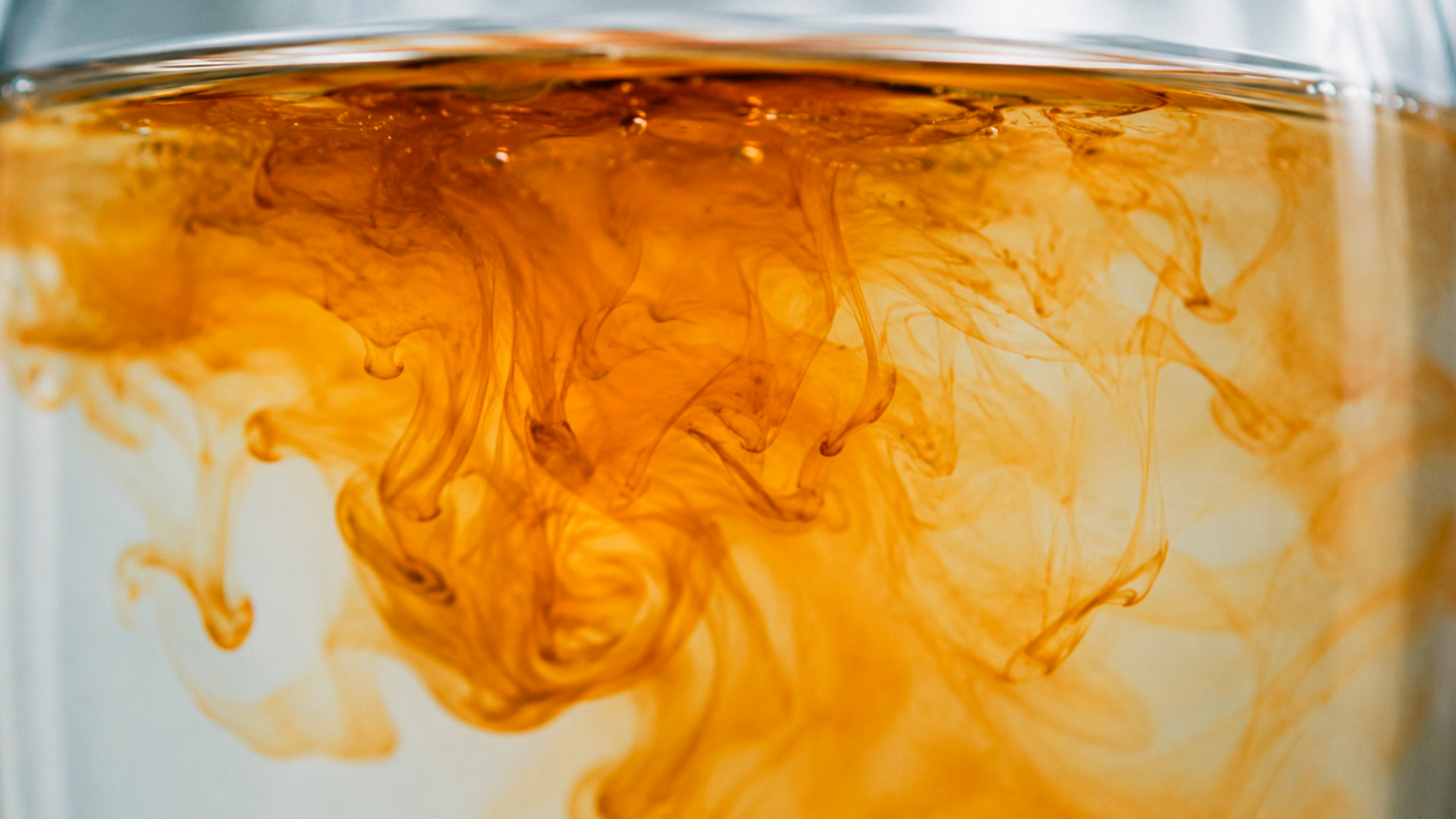
Does the Quality of Water Affect the Taste of Tea?
Tea is 99% water. So yes — what's in the water ends up in the cup.
If you've ever had the same tea taste noticeably different in two different places, water is almost always the reason.
Quick Answer: Yes, water quality has a direct and significant impact on tea flavor. Chlorine and chloramine — common in tap water — can mask or distort the natural notes of a tea. Mineral content (hardness) affects how compounds extract from the leaf. Filtered or low-mineral water consistently produces a cleaner, truer cup. The water journey matters as much as the tea itself.
Why Water Tastes Different Depending on Where It Comes From
Tap water is treated — good for safety, but not always ideal for brewing. The two most common additives are chlorine and chloramine, both disinfectants with distinct odors and tastes that carry into your tea.
Beyond treatment additives, water hardness varies significantly by region. Hard water has high mineral content — primarily calcium and magnesium. Soft water has low mineral content. Both extremes affect tea differently.
How Water Hardness Affects Tea Flavor
Soft water extracts more freely from tea leaves, producing brighter, more nuanced flavors. It's generally better for delicate teas — green, white, and light oolongs.
Hard water can interfere with extraction. Calcium binds with tannins in tea, reducing astringency but also dulling brightness and complexity. You may also notice a surface film on your tea — mineral deposits reacting with tea compounds. It's not harmful, but it signals the water is working against the tea.
The ideal sits in the low-to-medium hardness range, roughly 50–100 ppm of dissolved solids.
Does Filtered Water Make Better Tea?
Generally, yes. A basic carbon filter removes chlorine and chloramine effectively — the most impactful change most people can make. It won't dramatically alter mineral content, but it removes the treatment chemicals that directly interfere with flavor.
Does the Kettle Matter for Water Quality?
Yes — and this is where the water journey starts, not ends.
If your kettle has plastic interior parts, it introduces another variable before water ever reaches the tea. Heat accelerates the breakdown of plastic, and whatever leaches out becomes part of the water that steeps your leaves. You can start with clean, filtered water and compromise it inside the kettle.
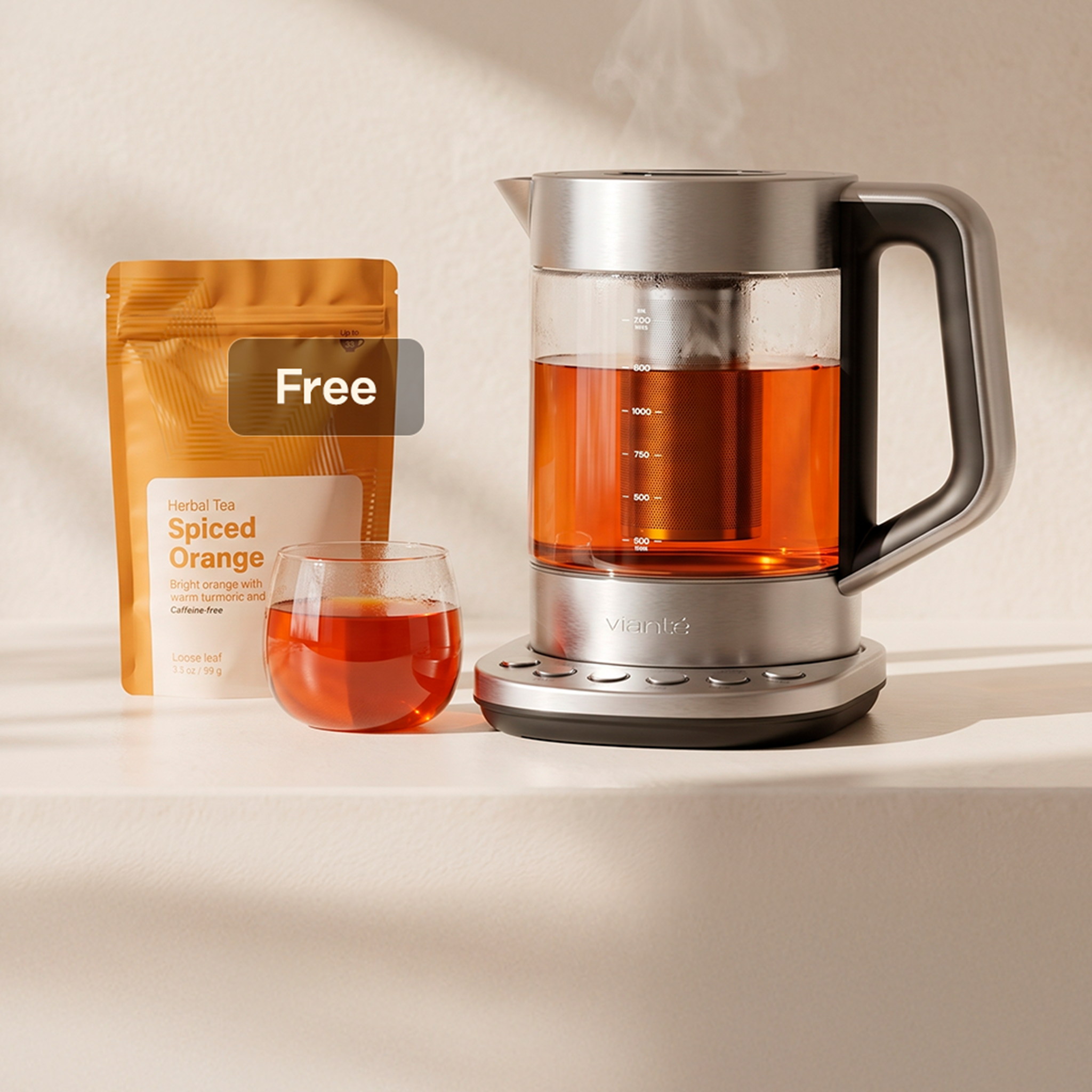
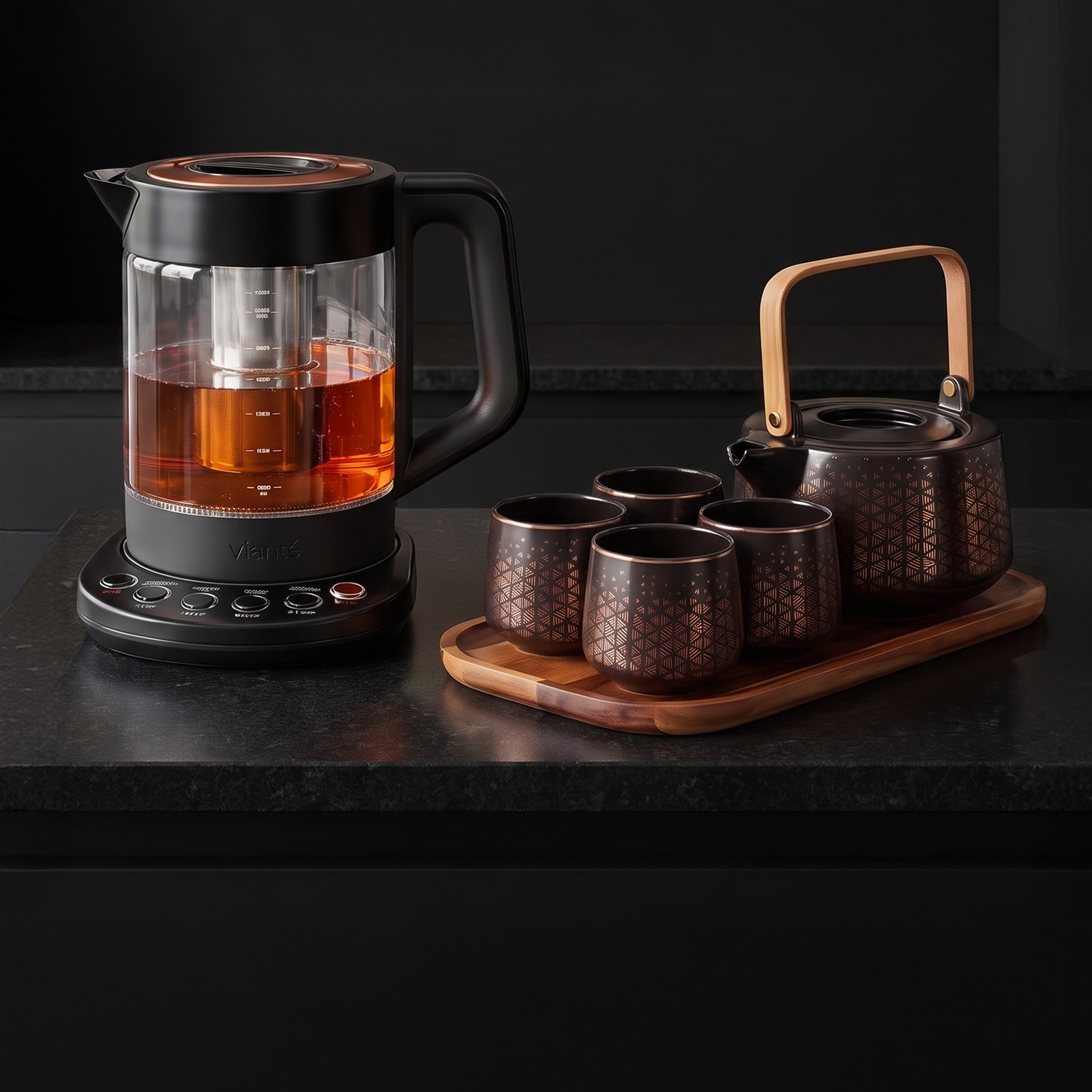
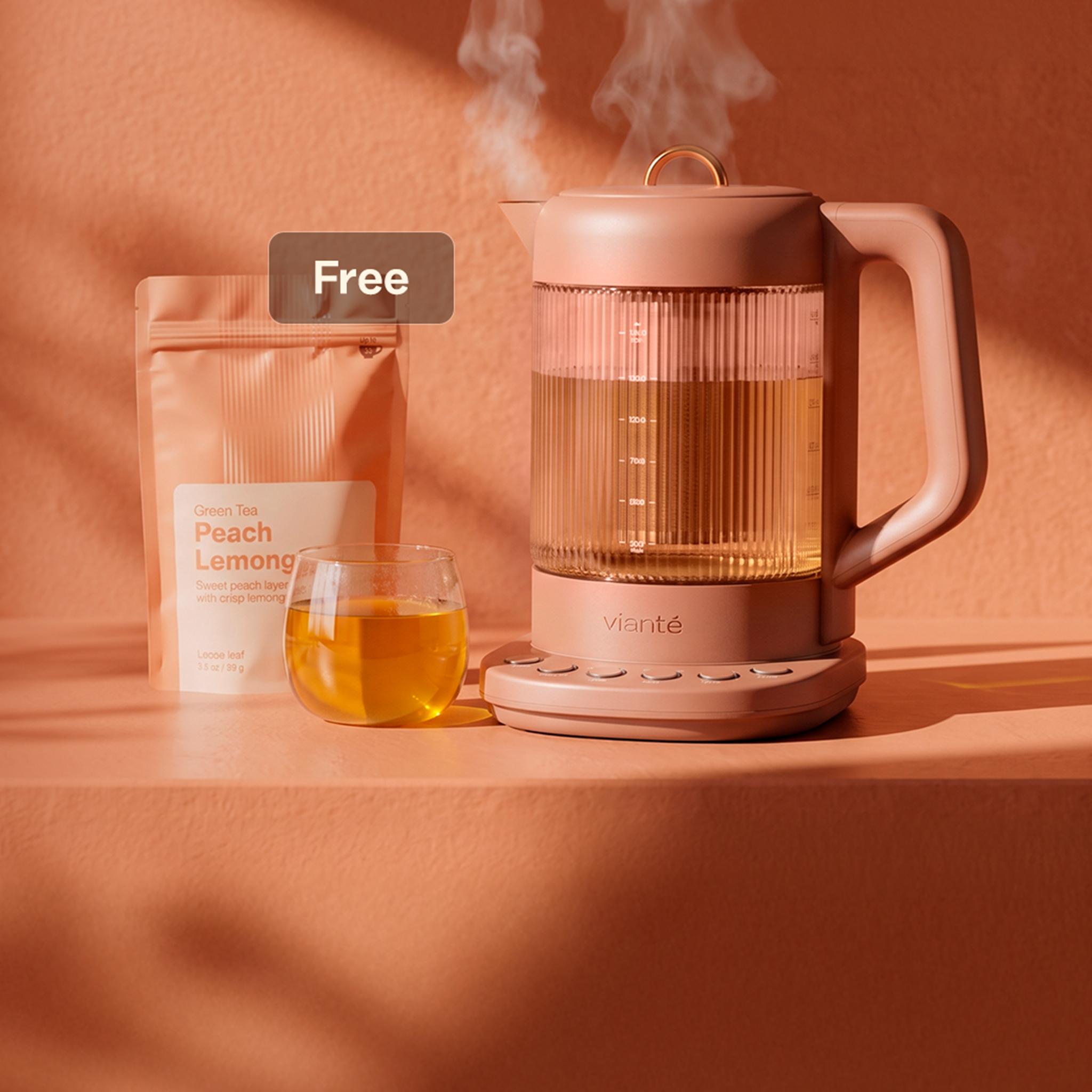
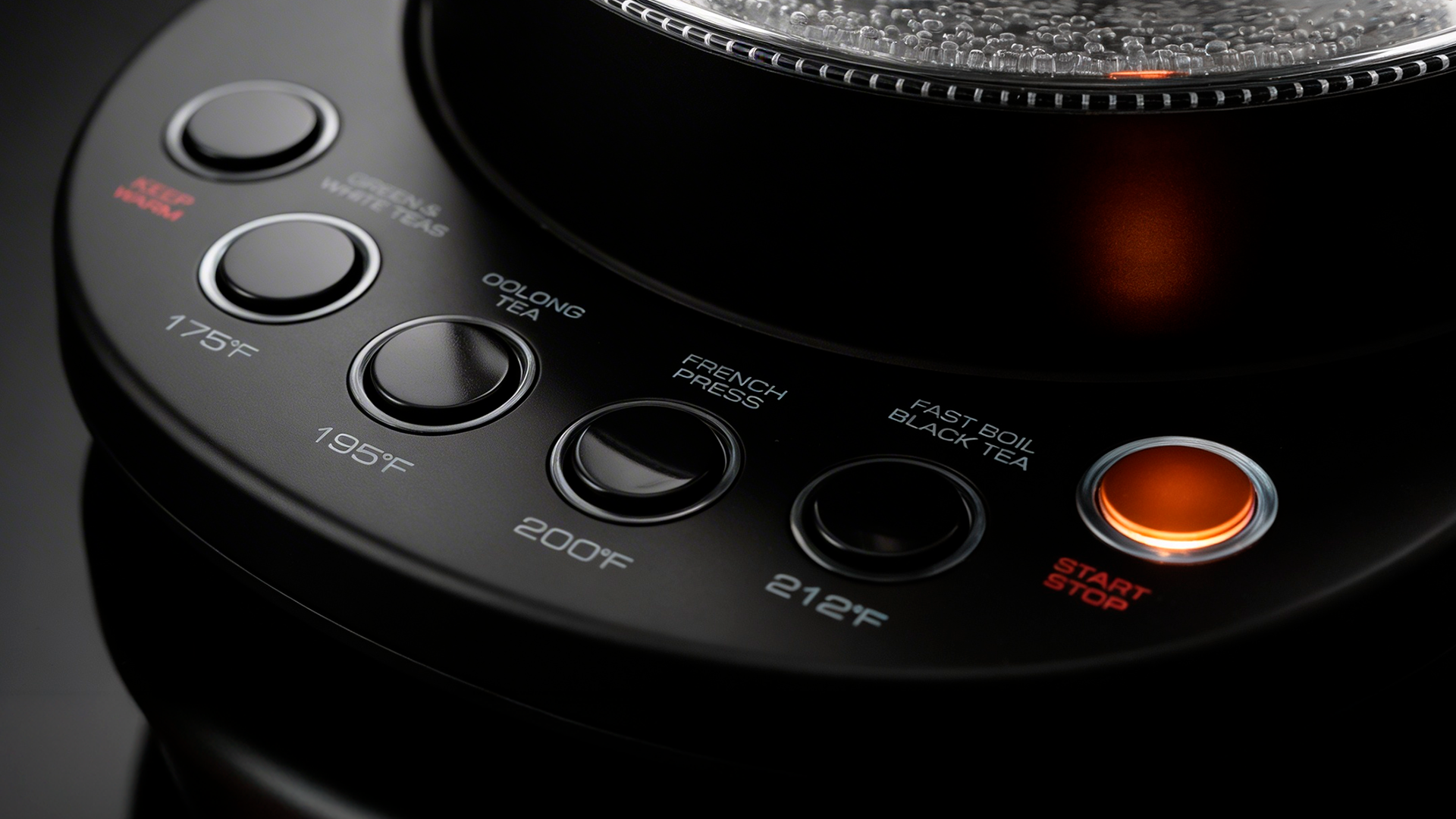
Vianté kettles (https://www.viante.com/collections/digital-kettles) are built with zero plastic-to-water contact — stainless steel and glass interiors that add nothing to the water during heating. Clean water in, clean water out.
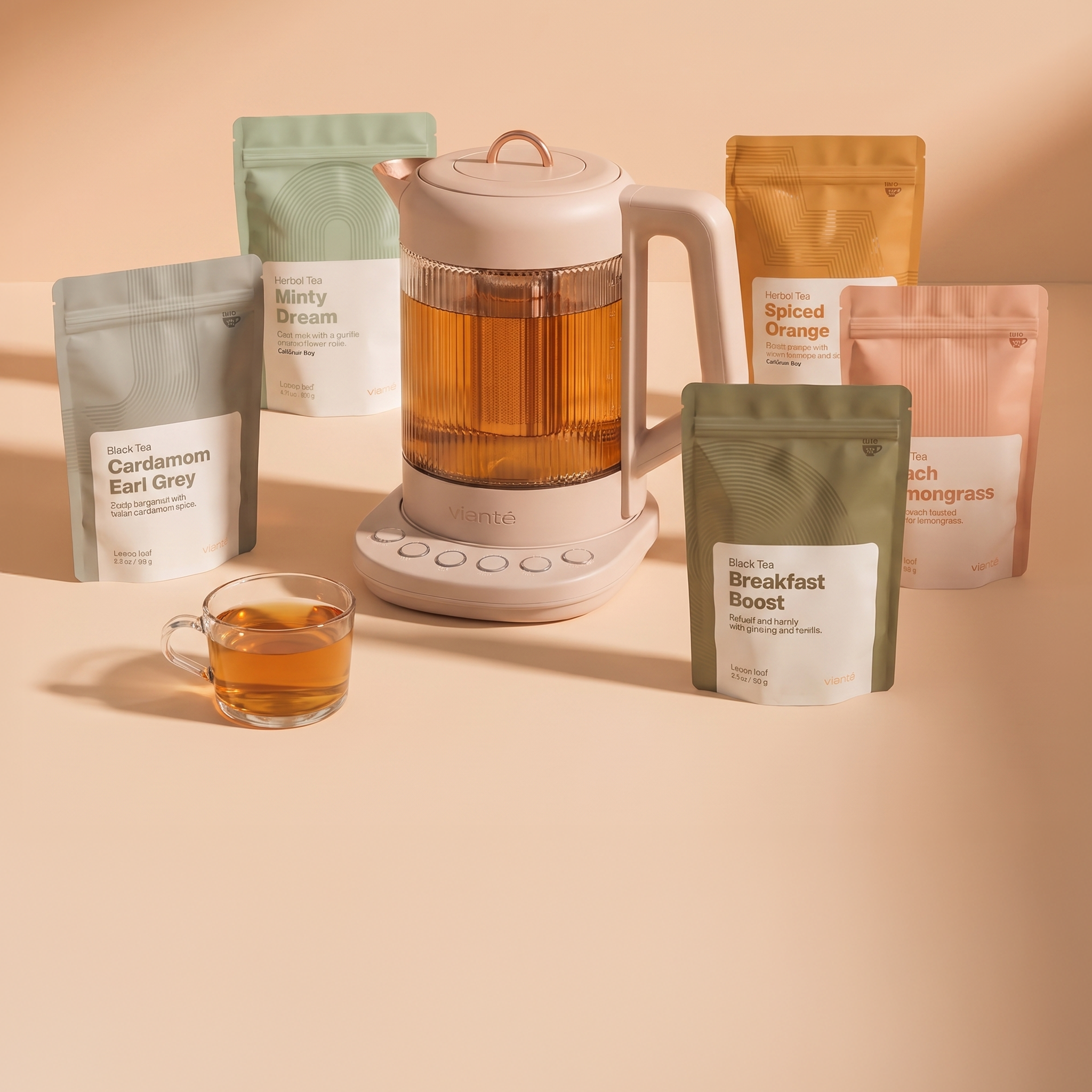
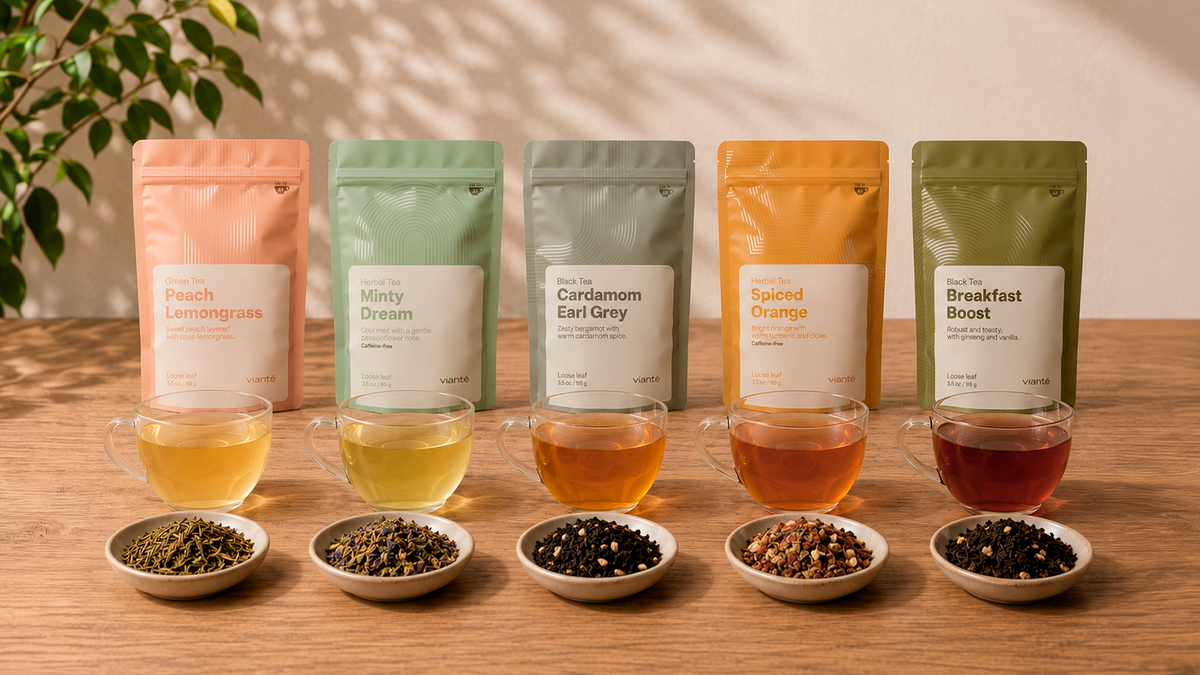
From there, Vianté tea (https://www.viante.com/collections/tea-blends) is loose leaf — no bags, no plastic, nothing between the leaf and the water except the infuser.
What Type of Water Is Best for Tea?
Filtered tap water or low-mineral spring water in the 50–150 ppm total dissolved solids range. Avoid distilled water (too pure — flat extraction), heavily chlorinated tap water (masks flavor), and very hard water (interferes with extraction).
People Also Ask
Is tap water okay for making tea?
It depends on your local supply. In areas with low chlorine treatment and moderate mineral content, tap water is fine. In areas with heavy treatment or very hard water, it noticeably affects flavor. Filtering is a simple fix.
Does bottled water make better tea?
Sometimes. Low-mineral spring water in the 50–150 ppm range produces good results. Sparkling and heavily mineralized waters aren't ideal for brewing.
Why does my tea taste different when I travel?
Almost certainly the water. Mineral content, treatment levels, and pH all differ by region. The same tea with the same method can taste noticeably different depending on where you are.
Does using filtered water make a noticeable difference?
Yes — particularly if your tap water is heavily chlorinated. Removing chlorine is the single most impactful change most people can make to improve tea flavor.
Does Vianté's kettle add anything to the water?
No. Vianté kettles (https://www.viante.com/collections/digital-kettles) have zero plastic-to-water contact — nothing is introduced during heating.

Leave a comment
This site is protected by hCaptcha and the hCaptcha Privacy Policy and Terms of Service apply.