


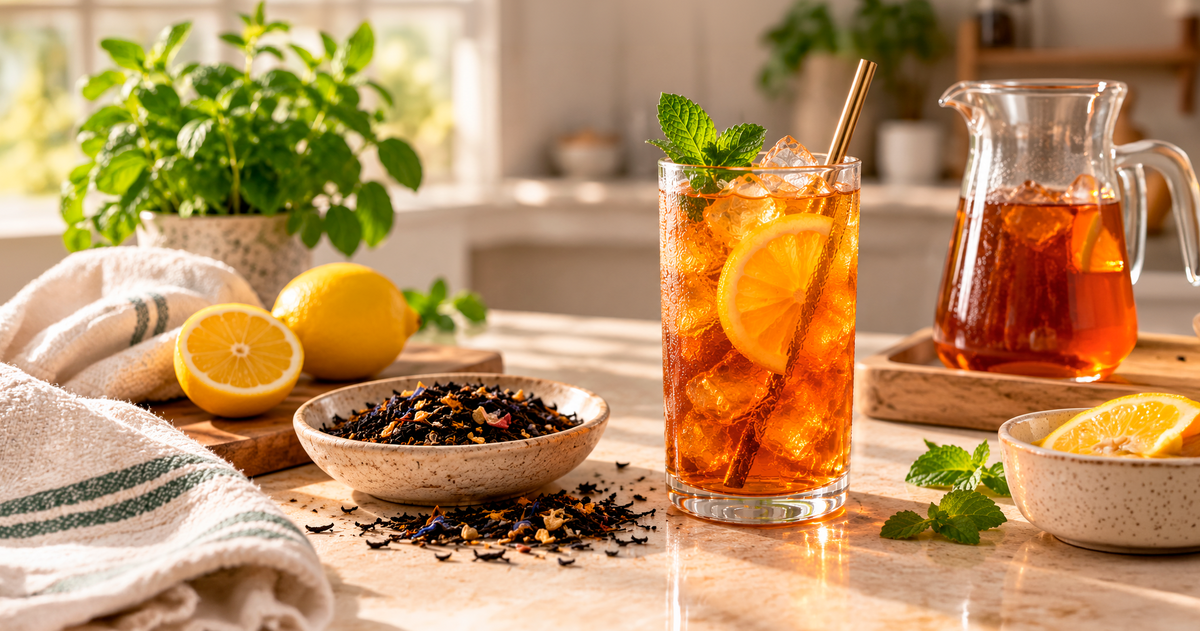
Iced tea is easy to make with loose leaf tea: brew a concentrated hot infusion, strain it, then chill it over ice. The trick is to account for dilution rather than brewing an ordinary cup and hoping it stays flavorful.
Start with a stronger infusion
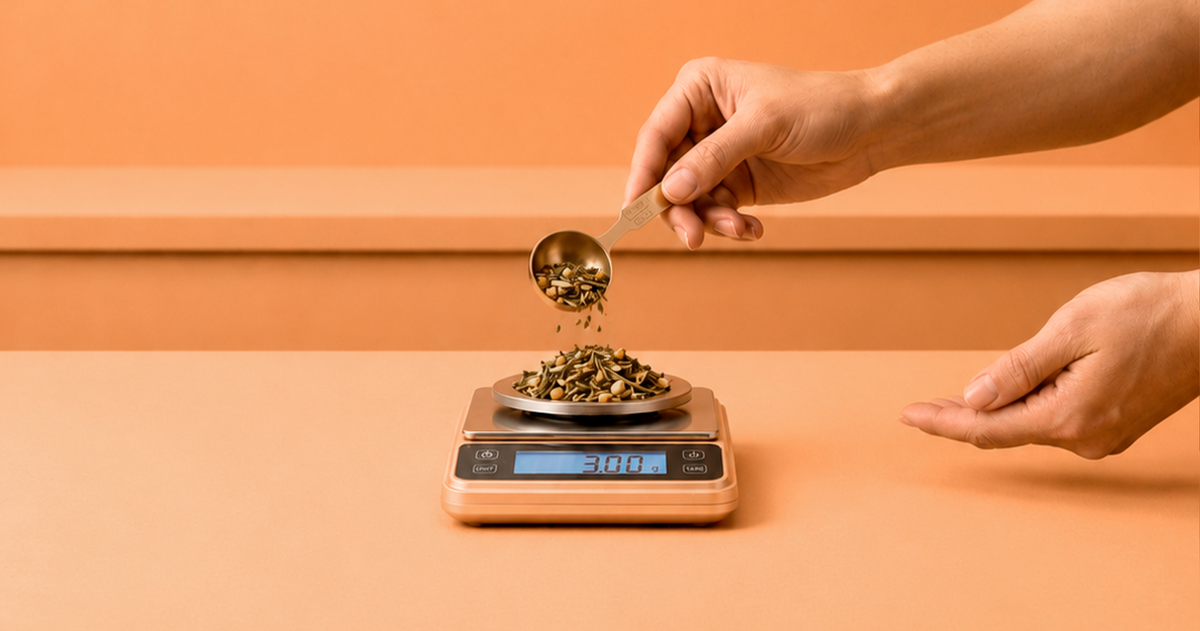
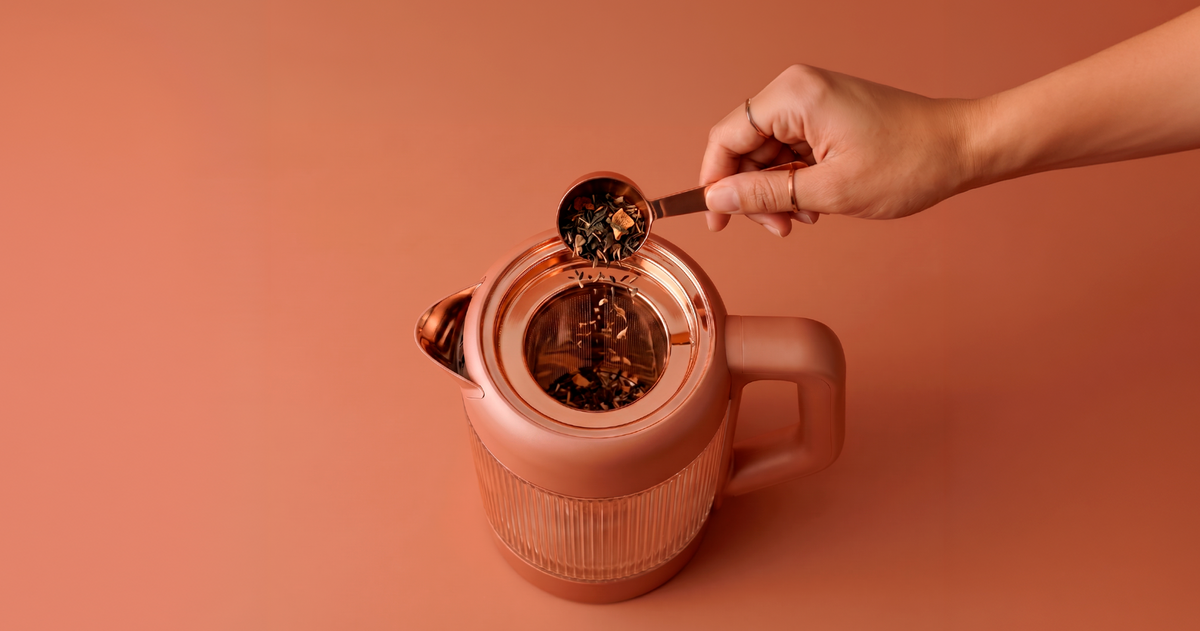
Use roughly twice your usual amount of leaf for the same volume of hot water, or brew at normal strength and cool it in the refrigerator instead of pouring immediately over ice. Follow the tea’s recommended temperature and steep time; a stronger cup comes from more leaf, not an extended steep that can turn bitter.
Cool, pour, and customize
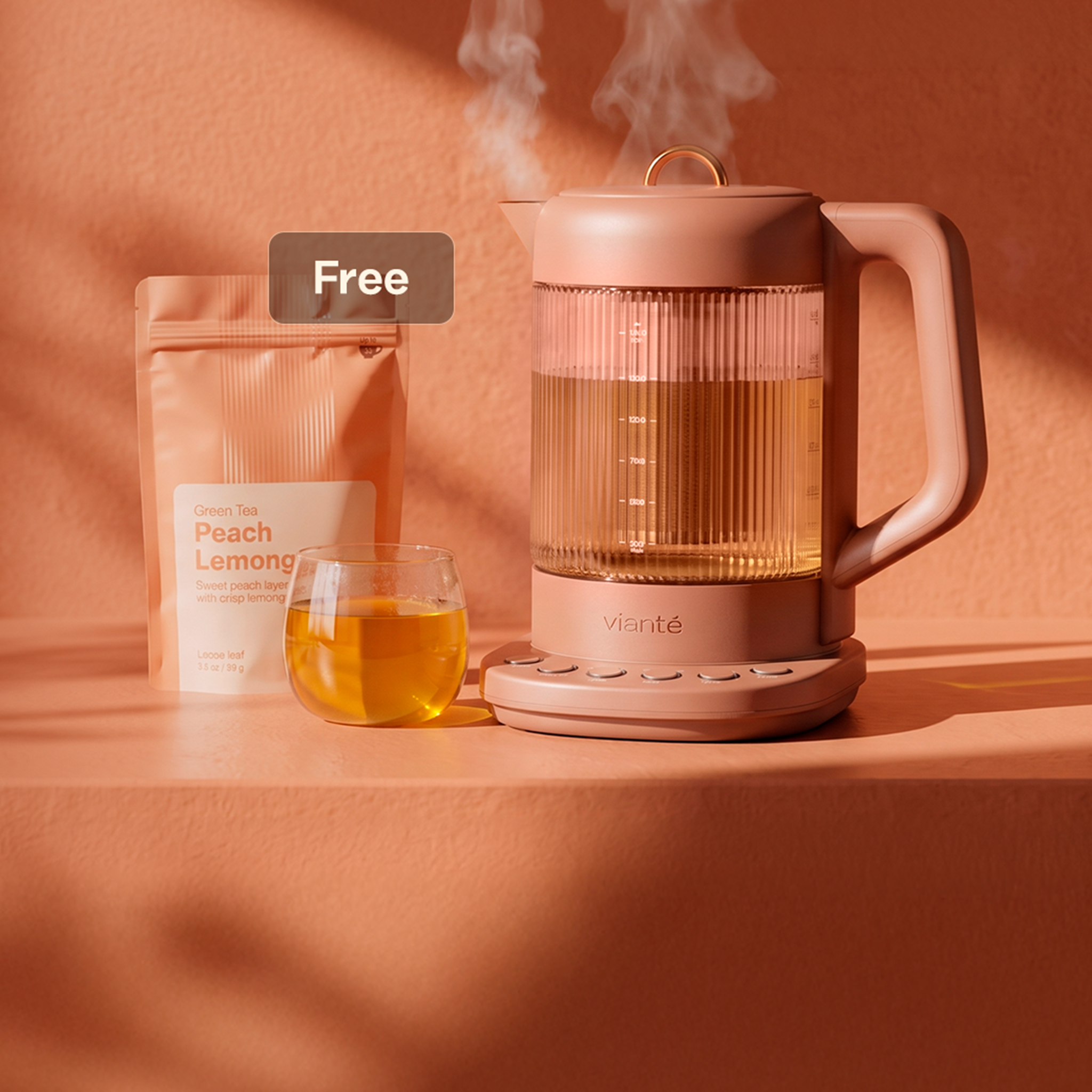
Remove the leaves as soon as brewing ends. Pour the concentrate over a glass full of ice, then taste before adding citrus or fruit. A green tea with peach and lemongrass suits a light, bright iced tea; a black tea makes a fuller, bolder one. Keep brewed tea refrigerated and prepare small batches you can enjoy fresh.
Hot-brew versus cold-brew
Hot brewing is faster and extracts a stronger cup quickly. Cold brewing takes hours in the fridge and often tastes softer. Use the method that suits your schedule; the leaves still need to be strained when the drink reaches the flavor you want.
A practical iced tea ratio
For a single 12-ounce serving, start with the amount of tea your package recommends for 12 ounces and use about half as much hot water if you plan to pour it immediately over a generous glass of ice. The melting ice supplies the remaining liquid. If the tea still tastes too light, increase the leaf a little on the next round instead of steeping it longer. For a pitcher, brew the full volume normally, remove the leaves on time, and chill the strained tea before serving. Label the pitcher with its blend and preparation date so nobody confuses a caffeinated black tea with an herbal infusion.
Three common iced tea problems
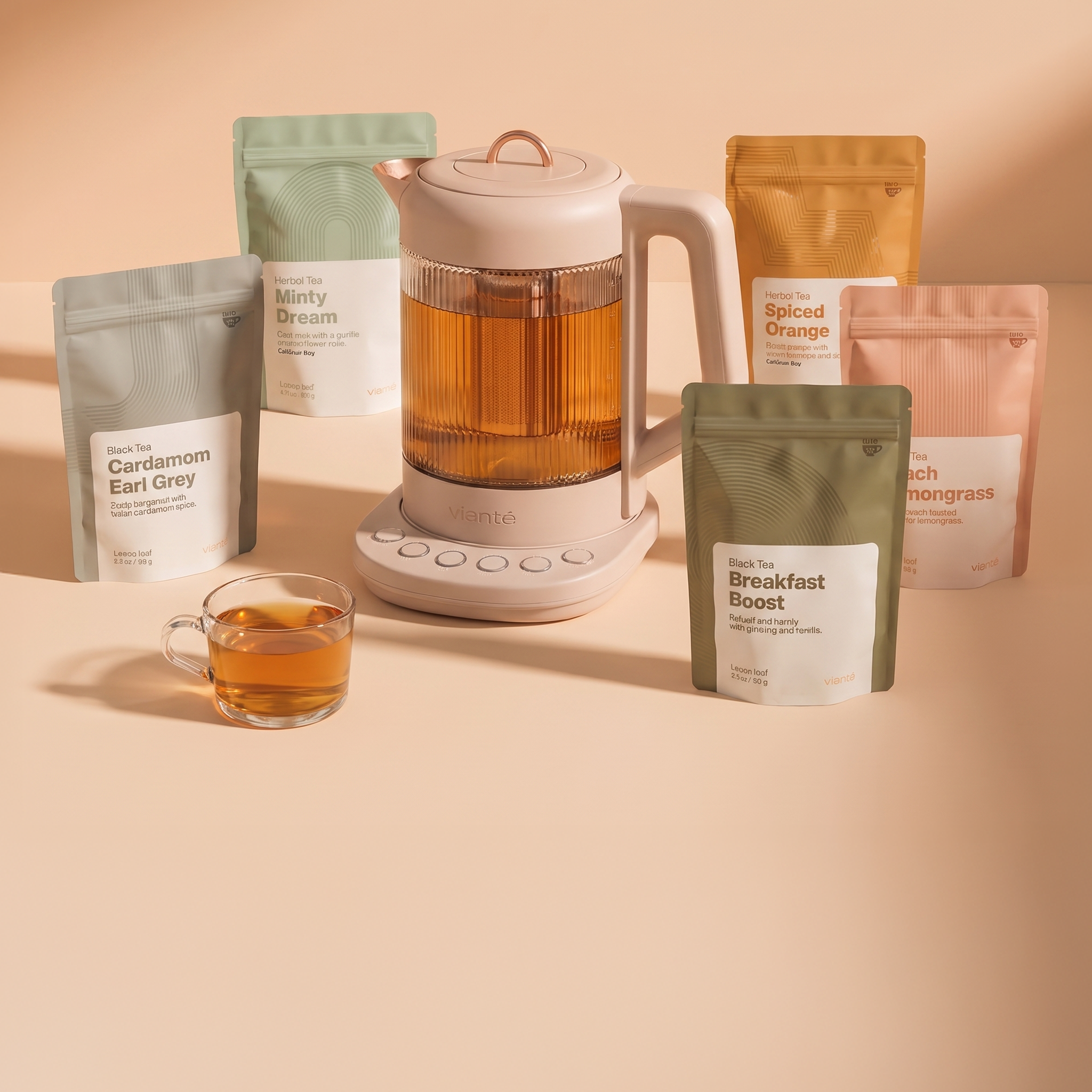
Cloudy tea is often a cosmetic change when hot tea cools, particularly with black tea; it does not necessarily mean something is wrong. A watery drink usually comes from pouring normal-strength tea over too much ice. Harsh flavor points to an overlong steep or water that was too hot for the leaf. Fix one issue at a time and keep the next batch simple. Peach Lemongrass works for a lighter fruit-led glass, while Breakfast Boost creates a more robust base. Check each package for the exact temperature and caffeine guidance before brewing for guests.
Try a two-glass comparison
Brew enough tea for two small servings using the package instructions. Pour half into a covered container to cool without ice. Make the other half as a stronger concentrate and pour it straight over ice. When both are cold, compare them side by side: the immediate version is faster, while the refrigerated one gives you more control over dilution. Note which method suits that particular tea. If both seem thin, adjust the leaf amount next time. This test helps you develop a reliable house recipe instead of assuming every blend will behave the same way when chilled.
Frequently asked questions
Can I make iced tea without sugar?
Yes. Start with flavorful tea and taste it cold before deciding whether it needs sweetener.
Can I use any tea for iced tea?
Yes, but flavor changes when chilled. Try a small test glass first; fruit, herbal, and black teas each respond differently to dilution and ice.
Explore related teas and tools
For a practical next step, Explore Vianté loose leaf tea blends. Pair the method with the instructions on the current product packaging.
For a related brewing question, read How Long Should You Steep Loose Leaf Tea?.

Leave a comment
This site is protected by hCaptcha and the hCaptcha Privacy Policy and Terms of Service apply.